
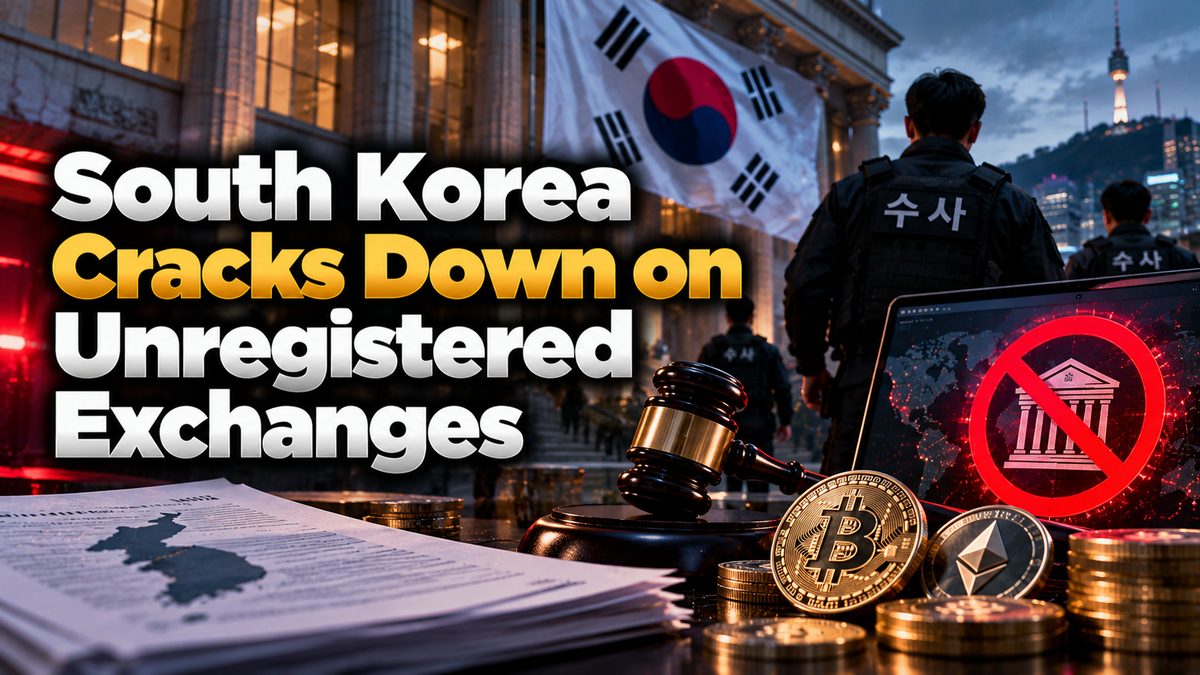
South Korea just moved to block 27 crypto sites, KuCoin and MEXC among them, targeting platforms operating without local registration. The kicker is authorities themselves admit users on these exchanges could get stuck trying to withdraw. If you're using offshore platforms in restricted markets, this is a reminder that regulatory risk can turn into withdrawal risk overnight — always keep an exit plan for your funds.
South Korea Targets Unregistered Exchanges
South Korean authorities have moved to block 27 crypto websites, including major offshore exchanges KuCoin and MEXC, as reported by Cointelegraph. The action is aimed at platforms that have been operating in the country without local registration, a requirement under South Korea's framework for crypto service providers.
Countries that regulate crypto exchanges typically require any platform serving local residents to register with a domestic authority, follow local compliance rules, and in many cases hold licenses tied to anti-money-laundering standards. When an exchange serves users without meeting these requirements, regulators can step in with measures like website blocks, app store removals, or banking restrictions to cut off access.
Why Registration Requirements Exist
Registration regimes exist so regulators have oversight over how exchanges handle customer funds, verify identities, and report suspicious activity. Unregistered offshore platforms can operate outside this oversight, which is part of why authorities in various jurisdictions, South Korea included, have periodically cracked down on exchanges that serve local users without formal approval.
For traders, this matters because registration status isn't just a bureaucratic label — it often determines whether an exchange has any legal obligation to cooperate with local authorities or offer recourse if something goes wrong.
Withdrawal Risk Acknowledged by Regulators
Notably, authorities themselves have acknowledged that customers could face difficulty withdrawing assets from the affected exchanges as a result of this action, according to Cointelegraph. This is a significant admission: when access to a platform is restricted at the national level, the practical effect for users can extend beyond simply losing the ability to log in or trade — it can directly affect their ability to retrieve funds already held on that exchange.
This kind of disruption illustrates a broader risk in crypto markets that has nothing to do with price movement: custodial and regulatory risk. Funds held on any exchange, onshore or offshore, are subject to that platform's access, banking relationships, and legal standing in the jurisdictions it serves.
What This Means for Spot Traders
For spot traders, particularly those using offshore exchanges while living in markets with strict crypto regulations, this is a concrete reminder that regulatory action can create sudden operational friction around something as basic as withdrawing your own assets. Even without a hack or insolvency, being locked out of an exchange interface because of a government block can leave funds effectively inaccessible for a period.
This doesn't call for panic or sudden moves, but it reinforces the value of not concentrating all holdings on a single platform, understanding which exchanges are properly registered in your jurisdiction, and periodically moving assets to wallets you control. Patience and gradual position building remain sound practices for spot trading, but that approach works best when it's paired with equally deliberate custody habits — knowing where your funds sit and whether you can actually access them when you need to.